Seasonal Anxiety: Why Winter Hits Women Harder – Ascension Counseling & Therapy
When the temperature drops, it can feel like your mood, energy, and patience drop with it. If every winter you notice more worry, tension, or panic creeping in, it doesn’t mean you’re “just bad at handling the cold”—it means your mind and body are responding to real seasonal stress. The good news? Once you understand why winter feels heavier, you can use targeted tools, support, and therapy to make this season gentler on your nervous system.
As a licensed women’s mental health counselor with 20 years of experience specializing in anxiety and panic disorders, I see the same pattern every year: as the days shorten and temperatures drop, women across Cleveland and Columbus, Ohio, Charlotte, North Carolina, and Detroit, Michigan report a sharp rise in worry, restlessness, and panic. If winter leaves you feeling on edge, foggy, or overwhelmed, you’re not alone. Seasonal anxiety and SAD (Seasonal Affective Disorder) can intensify existing stress and spark new symptoms—yet with the right support, you can reclaim calm, energy, and confidence. This guide explores why winter can hit women harder, and how anxiety therapy for women, targeted coping rituals, and women’s therapy services can help you feel better fast.
1. Seasonal Stress Patterns
Shorter daylight, colder weather, and disrupted routines can add invisible weight to daily life. In Cleveland’s lake-effect gray skies and Detroit’s long stretches of cloud cover, motivation and mood can dip. Columbus and Charlotte see fewer daylight hours too, which can nudge sleep and appetite off course.
Women often carry unique seasonal stressors:
-
Caregiving and holiday labor: coordinating family schedules, shopping, cooking, and emotional caretaking.
-
Financial strain: end-of-year expenses and travel compounded by inflation.
-
Workload spikes: year-end deadlines and performance reviews.
-
Reduced movement: icy sidewalks or early darkness that curtail outdoor exercise.
These factors amplify vulnerability to seasonal anxiety and SAD, especially for women managing multiple roles at home and work.
2. Hormonal Factors
Women’s mental health is deeply interconnected with hormonal shifts. Fluctuations in estrogen and progesterone can influence serotonin, GABA, and the stress hormone cortisol.
During winter, disrupted circadian rhythms and sleep changes can intensify:
-
PMS and PMDD symptoms
-
Perimenopausal mood swings and hot flashes
-
Postpartum mood and anxiety symptoms
-
Thyroid-related fatigue and worry
If you notice anxiety spiking at predictable times in your cycle, or a post-holiday crash with heightened irritability, panic, or intrusive thoughts, targeted mental health counseling for anxiety can help you track patterns and build a personalized plan that aligns with your biology.
3. Environmental Triggers
Winter brings a convergence of triggers that can be especially challenging for women:
-
Low light exposure: Less sunlight disrupts melatonin and serotonin, worsening fatigue and low mood.
-
Isolation: Short days, colder temps, and less social connection can amplify loneliness.
-
Illness season: Respiratory viruses and caregiving demands compound stress.
-
Nutritional shifts: Heavier foods and more sugar/caffeine can intensify anxiety and sleep problems.
-
Routine disruption: Travel, school breaks, and weather cancellations throw off stabilizing rhythms.
Identifying which triggers matter most—light, sleep, workload, or social stress—helps us craft precise coping strategies and consider options like light therapy.
4. Light Therapy and Rhythm Reset
For seasonal anxiety and SAD, light therapy has strong evidence behind it.
Many clients benefit from:
-
A 10,000-lux light box each morning for 20–30 minutes, ideally within an hour of waking, eyes open but not looking directly into the light.
-
A dawn simulator alarm to make winter wake-ups gentler.
-
Daytime outdoor breaks: Even a 10–15 minute mid-day walk in Charlotte, Columbus, or Detroit can meaningfully boost mood.
-
Consistent sleep-wake times (even on weekends).
Pro tips:
-
Position light therapy slightly off to the side at eye level.
-
Start in October/November and continue through early spring.
-
If you have bipolar disorder or significant eye conditions, consult your clinician before using a light box.
-
Ask your doctor about Vitamin D screening if you’ve noticed low energy or frequent colds.
5. Coping Rituals That Build Resilience
Small, repeatable rituals are powerful antidotes to winter stress. Choose a few and practice daily—consistency beats intensity.
Body-based calm
-
Paced breathing: Inhale 4, exhale 6–8, for 3–5 minutes to lower physiological arousal.
-
5–4–3–2–1 grounding: Name five things you see, four you feel, three you hear, two you smell, one you taste.
-
Progressive muscle relaxation: Tense and release major muscle groups, from feet to face.
-
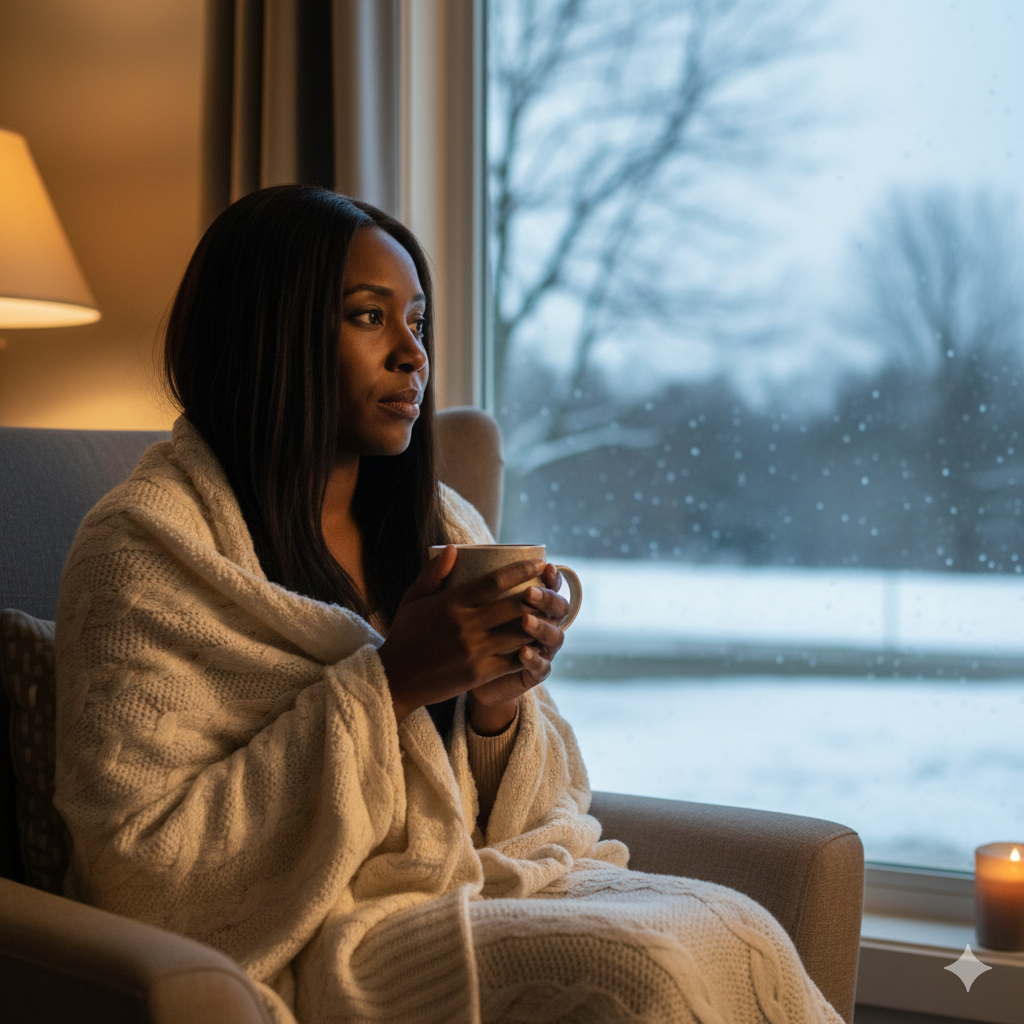
Warmth therapy: Heated blanket or bath in the evening to counter winter tension.
Panic moment support: If a surge hits, sit, plant your feet, slow your exhale, and remind yourself, “This is uncomfortable, not dangerous; it will pass.” Many clients use this in combination with panic attack counseling near me for structured practice.
Thought and emotion skills
-
Cognitive reframing: Catch “all-or-nothing” winter thoughts and replace with balanced statements (“Today was heavy; I’m allowed to rest and begin again tomorrow.”).
-
Worry time: Contain worries to a 15-minute window; jot them down and return later.
-
Self-compassion: Talk to yourself as you would to a dear friend—especially when energy dips.
Lifestyle anchors
-
Movement snacks: 10-minute brisk walks, stair intervals, or a quick yoga flow two times a day.
-
Light exposure: Open blinds first thing; sit by windows; eat lunch in daylight.
-
Nutrition steadies: Protein and fiber at breakfast; steady hydration; moderate caffeine and alcohol.
-
Digital boundaries: Curate social feeds, limit doomscrolling at night, and set a “lights out” for screens 60 minutes before bed.
Connection and joy
-
Plan micro-joys: A favorite tea ritual, audiobook, or call with a friend.
-
Schedule social warmth: Book clubs, faith groups, or community classes—especially helpful in Cleveland and Detroit where weather can isolate.
6. Therapy Support That Works
Evidence-based counseling is highly effective for seasonal anxiety and panic:
-
Cognitive Behavioral Therapy (CBT): Builds skills to challenge anxious thoughts and reduce avoidance behaviors.
-
Exposure-based treatment for panic: Safely practices body sensations (interoceptive exposure) so they stop triggering spirals.
-
Acceptance and Commitment Therapy (ACT): Helps you relate differently to difficult thoughts and feelings while moving toward your values.
-
Mindfulness-Based Cognitive Therapy (MBCT): Reduces relapse of depression and seasonal dips.
-
Trauma-informed care and EMDR when past experiences are fueling winter triggers.
-
Collaboration for medication: Many women benefit from a combined approach; we can coordinate with your primary care physician or psychiatrist.
If you’ve been searching for “women’s therapy services,” “anxiety therapy for women,” or “mental health counseling for anxiety,” know that structured, compassionate care can reduce symptoms and restore daily functioning. Telehealth options make consistent therapy accessible even during snowstorms or hectic holiday periods.
7. The Emotional and Physical Impact—and How We Heal
Women often tell me winter anxiety doesn’t just live in the mind—it shows up in the body:
-
Racing heart, chest tightness, shortness of breath
-
Dizziness, tingling, stomach issues, headaches
-
Restlessness, muscle tension, and sleep disruption
These sensations are real and uncomfortable—yet they’re survivable. Therapy helps you reinterpret them as signs of a sensitized nervous system rather than danger. Over time, you learn to trust your body again, reduce avoidant behaviors, and rebuild confidence. Many clients share that the same tools that got them through winter also help with travel stress, work transitions, and hormonal shifts year-round.
Local Resources Near You
Whether you prefer in-person support or telehealth, help is close by. If you’re in any of the following communities, you can access mental health counseling for anxiety and specialized women’s therapy services:
Beachwood, OH (Greater Cleveland)
-
Winter gray can intensify seasonal anxiety. Look for local therapists who offer CBT, panic-focused treatment, and light therapy guidance. Many clinics near Beachwood Place provide flexible scheduling and telehealth for snow days.
Columbus, OH
-
From German Village to Dublin, Columbus residents can find anxiety therapy for women through group practices and university-affiliated providers. Ask about evidence-based care and winter-specific coping plans.
Dayton, OH
-
Community mental health centers and private practices in Dayton offer sliding-scale options and panic treatment protocols. Telehealth expands access during icy roads.
Detroit, MI
-
With long stretches of low light, Detroiters benefit from a combination of light therapy and CBT. Search for providers experienced in SAD and women mental health across Midtown, Royal Oak, and nearby suburbs.
Charlotte, NC
-
Charlotte’s milder winters still bring shorter days and holiday stress. Many clinicians integrate lifestyle coaching with therapy to support energy and mood throughout winter.
Tampa, FL
-
Even with sunshine, seasonal stress and holiday overload can spike anxiety. Look for clinicians versed in panic treatment and values-based planning for the new year.
Miami, FL
-
Miami residents experience unique winter rhythms—travel, visitors, and schedule changes. Women’s therapy services can help set boundaries and prevent burnout.
Orlando, FL
-
Theme-park season and hospitality schedules can disrupt sleep. Therapists can help restore rhythm and reduce panic spikes with tailored coping rituals.
Gainesville, FL
-
University calendars and exam stress add seasonal pressure. Counseling services often include group support and academic stress management.
Jacksonville, FL
-
Large-city commutes and holiday traffic can elevate anxiety. Seek providers offering CBT, ACT, and panic-focused care with flexible hours.
If you’re unsure where to begin, search “panic attack counseling near me” or “mental health counseling for anxiety in [your city]” and look for clinicians who list CBT, exposure therapy, and women-centered care. Many practices also offer free consult calls to help you find a good fit.
How Therapy Empowers You
The goal isn’t to eliminate winter or your sensitivity—it’s to build a toolkit that restores choice and stability. With support, you can:
-
Understand your seasonal patterns and hormonal influences
-
Reduce panic frequency and intensity
-
Improve sleep and energy
-
Navigate holidays and family demands with stronger boundaries
-
Feel grounded, focused, and confident in your daily life
You deserve a winter that feels manageable, not menacing. And you don’t have to do it alone.
Ready to Feel Better?
If you live in the Cleveland or Columbus areas, Charlotte, Detroit, or any of the cities listed above, we can create a plan that fits your life—combining light therapy guidance, practical coping rituals, and evidence-based anxiety therapy for women. Many clients start feeling relief within a few sessions when we target the right levers: sleep, light, thoughts, behaviors, and support.
Take the first step toward calm and confidence. You can book an appointment at https://ascensionohio.mytheranest.com/appointments/new,, or reach us at [email protected]. Feel free to call (833) 254-3278 or text (216) 455-7161.